
Alpha Gal Syndrome
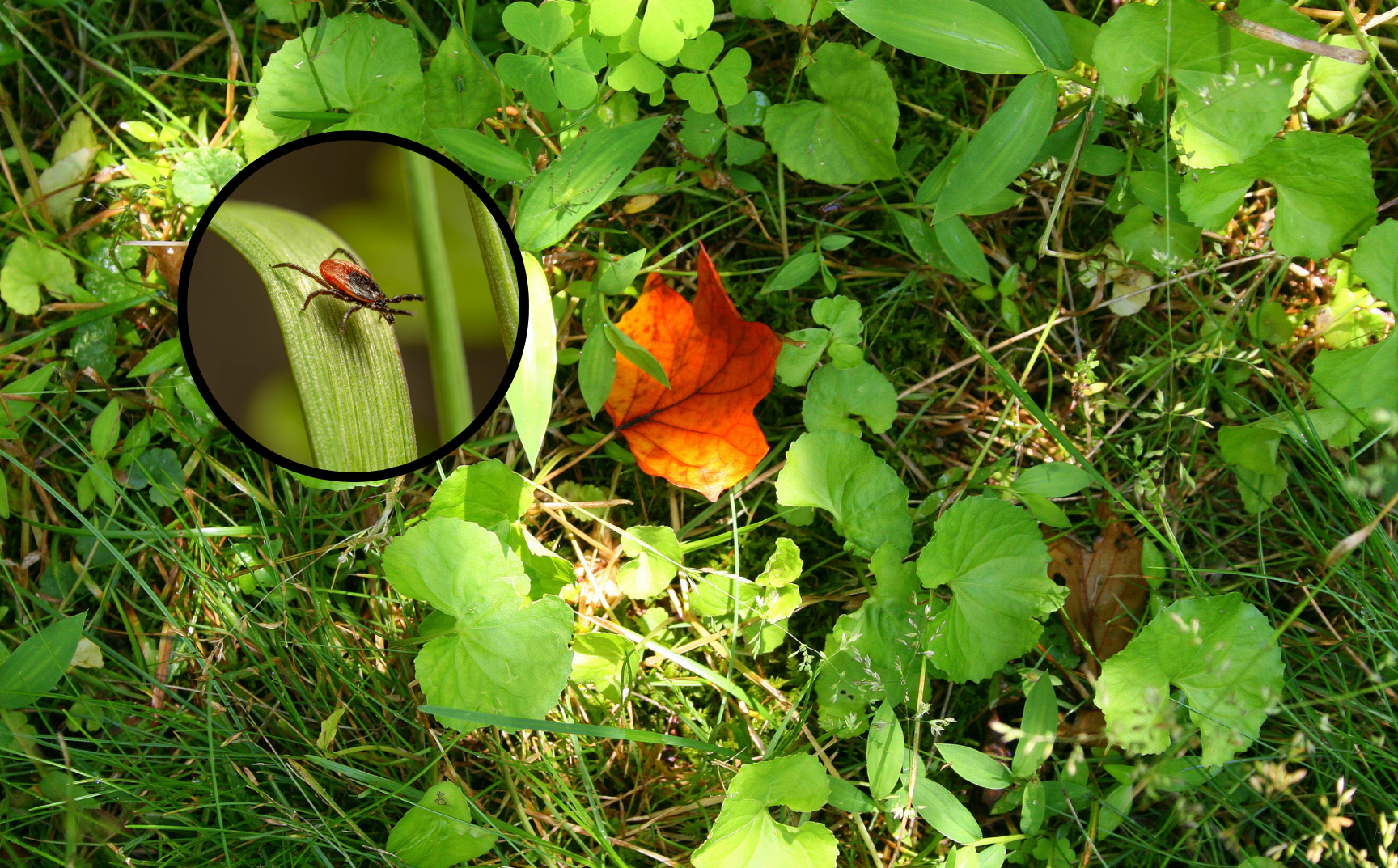
Alpha-gal syndrome (AGS) is a serious, potentially life-threatening allergy to a sugar molecule called galactose-alpha-1,3-galactose (alpha-gal), found in most mammals. People develop AGS after being bitten by certain ticks—most often the lone star tick—leading their immune system to produce IgE antibodies against alpha-gal. Subsequent ingestion of red meat or mammal-derived products can trigger allergic reactions ranging from mild hives to life-threatening anaphylaxis.
.
1. Cause
After a bite from the lone star tick (Amblyomma americanum), the tick’s saliva can sensitize the immune system to alpha-gal molecules present in mammalian meat and byproducts. NOTE…more evidence has been conducted there many be other carriers in addition to the lone star tick.
Upon eating beef, pork, lamb, or other mammal-derived ingredients, these IgE antibodies trigger an allergic response.

2. Signs, Symptoms and Diagnosis
Allergic reactions in AGS are often delayed by 2–6 hours, some cases 24 hours, after exposure to alpha-gal, complicating recognition. There are instances where there is not a delay in the case of fumes or mammal product use. Common manifestations include:
- Hives or itchy, scaly skin
- Gastrointestinal distress (diarrhea, vomiting, abdominal pain)
- Respiratory symptoms (wheezing, shortness of breath)
- Severe anaphylaxis in some cases
Sensitivity varies among individuals; some react only to meat, others also to dairy, gelatin, or mammal-derived fats.
Diagnosis typically involves:
- Blood test measuring specific IgE antibodies against alpha-gal
- Skin-prick testing with alpha-gal extract in select cases
3. Be Aware
Effective AGS management relies on both dietary avoidance and tick-bite prevention:
- Avoid all mammalian meat (beef, pork, lamb, venison) and products containing mammal-derived ingredients (gelatin, certain dairy, lard).
- Read ingredient labels carefully; watch for hidden sources like bouillon, cream-based sauces, or gelatin capsules.
- Prevent new tick bites using EPA-registered repellents (DEET, picaridin, IR3535), permethrin-treated clothing, and routine tick checks after outdoor activities.
- Carry an epinephrine auto-injector if prescribed, and seek emergency care for any signs of anaphylaxis.
Below is a quick reference table of foods and products to avoid versus generally safe choices:
| Foods/Products to Avoid | Generally Safe Options |
|---|---|
| Beef, pork, lamb, venison, rabbit | Chicken, Turkey, Emu, Fruits, vegetables, grains |
| Dairy products made from cow, sheep, goat milk | Eggs |
| Gelatin (in foods, capsules) | Poultry (chicken, turkey, duck) |
| Lard, mammal broth, bouillon, gravy | Fish and seafood (except flounder roe) |
Living with AGS can feel overwhelming at first, but with a clear understanding of triggers, prompt diagnosis, and careful lifestyle adjustments, most people manage their symptoms effectively. Ongoing research aims to refine diagnostic tools, explore desensitization strategies, and understand why only some tick-bitten individuals develop AGS.